- Telehealth available in California, Florida, and Oregon, Arizona
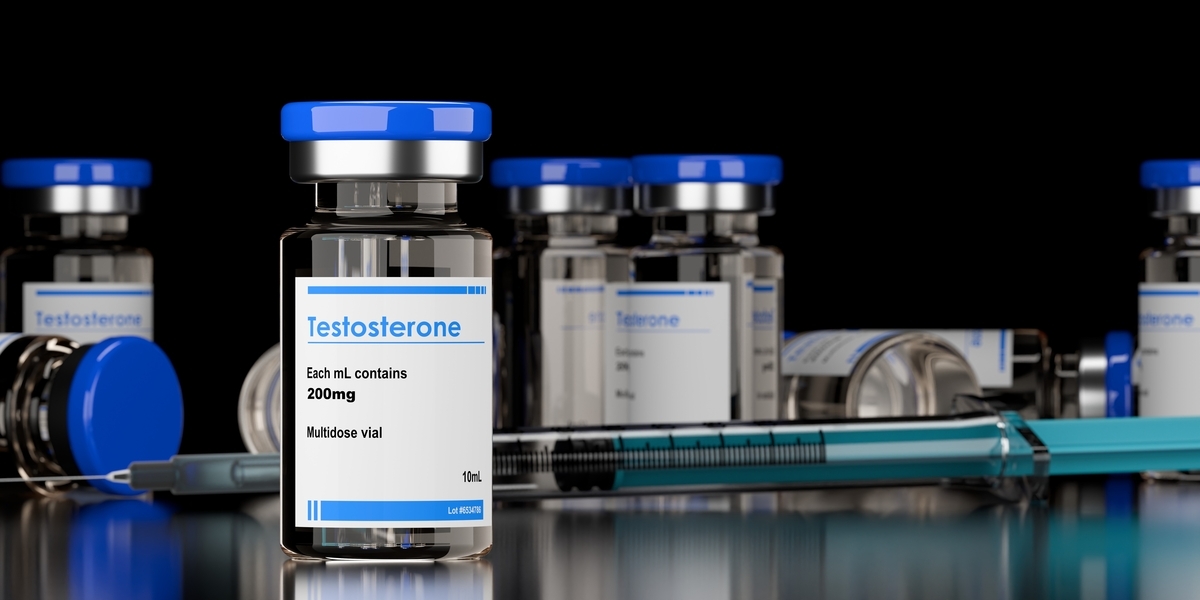
Which TRT delivery method is right for you? If you have confirmed low testosterone and are now evaluating treatment options, understanding your options is a practical first step before your appointment.
The TRT delivery method you choose affects how consistently your levels are maintained. It also shapes how often you need to administer or receive treatment. What side effects are most likely and how well the protocol fits your daily life also depend on this choice. Each option has a distinct clinical profile. No single method is the right choice for everyone.
This guide explains the three primary TRT delivery methods, what the clinical evidence shows about each, and the key factors that guide the decision in a personalized care setting.
Once a diagnosis of testosterone deficiency is confirmed through lab testing, the next clinical decision is how treatment will be administered. This is a more nuanced decision than many men expect.
All approved TRT delivery methods raise testosterone levels and relieve symptoms of deficiency when properly managed. What differs between them is the absorption profile, the dosing schedule, the degree of level fluctuation, the side effect considerations, and the practical fit with a patient’s lifestyle and preferences.
For men who experience fatigue, low energy, and reduced motivation as primary symptoms of low testosterone, the Low Energy and Fatigue conditions page provides useful context on how hormonal deficiency drives these patterns and what evaluation involves before treatment begins.
Choosing the wrong option is not dangerous in most cases. But it can affect adherence, satisfaction, and long-term outcomes. Getting the right fit from the start produces better results.
Testosterone injections are the most commonly prescribed TRT delivery method in the United States. They are available in intramuscular and subcutaneous forms. They are typically administered weekly or every two weeks depending on the formulation and protocol.
According to the Cleveland Clinic, intramuscular testosterone injections are given into a muscle every one to two weeks. Some long-acting formulations can be administered every ten weeks in a medical office. Subcutaneous injections are given under the skin weekly and are associated with more stable levels than biweekly intramuscular protocols.
Clinical advantages of injections include:
Clinical considerations include:
Testosterone pellets are small subcutaneous implants inserted under the skin, typically in the upper buttock or hip area, through a minor in-office procedure. Each implant releases testosterone gradually over three to six months. This provides a sustained and consistent hormonal delivery profile without daily or weekly administration.
According to research published by the National Institutes of Health, all three primary TRT delivery methods increase serum testosterone and free testosterone in hypogonadal men. The study found that erythrocytosis was more common with injectable testosterone than with gels or pellets. Selection of testosterone formulations must account for individual patient preferences and the effects of each formulation.
Clinical advantages of pellets include:
Clinical considerations include:
Root Cause Wellness Center offers testosterone pellet therapy for eligible men, and the provider holds BioTE certification in subcutaneous hormone pellet therapy.
Testosterone gels and creams are transdermal preparations applied to the skin daily, typically to the shoulders, upper arms, or abdomen. The testosterone absorbs through the skin and enters the bloodstream gradually throughout the day.
Gels are one of the most widely used TRT delivery methods globally. They are particularly favored for their ease of administration and non-invasive nature. Creams are typically compounded preparations with a similar transdermal delivery profile.
Clinical advantages of gels and creams include:
Clinical considerations include:
The transference consideration is particularly important for men with young children or female partners who are pregnant or of reproductive age. Transferred testosterone can have unintended hormonal effects. Providers often recommend alternative options in these situations.
For men who want to understand what a thorough pre-treatment evaluation involves before committing to any formulation, the What Blood Tests Do You Actually Need Before Starting TRT guide covers every test in the standard pre-treatment panel in detail.
One of the most clinically meaningful differences between testosterone formulations is how they affect the stability and pattern of hormone levels over time. This has practical implications for symptom management and monitoring.
Injections produce a peak in testosterone levels shortly after administration. This is followed by a gradual decline toward the next scheduled dose. Weekly subcutaneous injections produce a more stable profile than biweekly intramuscular injections. Some men on longer intervals report feeling better in the days after their injection and experiencing a return of symptoms toward the end of the cycle.
Pellets produce the most stable hormone levels of any option available. Because testosterone is released gradually from the implant over months, circulating levels remain relatively consistent. This stable profile is one of the primary clinical reasons pellets are preferred by some patients and providers.
Gels and creams produce moderate stability with daily application. Absorption varies between individuals and application sites. Some men experience inconsistent levels despite consistent use. Absorption efficiency can be affected by sweating, shower timing, skin condition, and the application site used.
According to research published by the National Institutes of Health, satisfaction rates across TRT delivery methods were similar, 73 percent for injections, 68 percent for gels, and 70 percent for pellets. When the right option is matched to the right patient, outcomes across all three approaches are broadly comparable.
No single TRT delivery method is clinically superior for all men. The right choice depends on a combination of clinical, practical, and personal factors that a qualified provider evaluates as part of a personalized treatment plan.
The most important factors in the decision include:
These factors rarely point in the same direction. A man with young children at home who also travels frequently and has an elevated hematocrit baseline will often land on pellets as the most clinically appropriate and practically convenient choice. A younger man who is actively managing his own health, exercises regularly, and wants the most adjustable protocol may find weekly subcutaneous injections the better fit. Understanding how these factors interact is why this decision is best made in a clinical conversation rather than based on online research alone.
Understanding how men actually experience each formulation in practice provides useful clinical context beyond the pharmacological comparison.
A large prospective study surveyed 382 men on TRT across all three primary formulations. Injectable testosterone was chosen by 53 percent of men, gel-based regimens by 31 percent, and pellets by 17 percent.
The reasons for these choices revealed distinct priorities:
Satisfaction rates across all three formulations were broadly comparable. Improvements in concentration and mood were most pronounced among satisfied patients regardless of which option they used. This indicates that appropriate matching matters more than which formulation is chosen.
For men who want to understand how hormone optimization is approached within a comprehensive functional medicine program, the Hormone Replacement Therapy service page outlines what evaluation and personalized testosterone care involves.
All three primary delivery methods effectively raise testosterone levels and relieve symptoms when properly managed. Clinical effectiveness is broadly comparable across methods. Appropriate matching of the delivery method to the patient's lifestyle and clinical profile affects adherence and long-term outcomes more than the method itself.
Injections typically produce a rise in testosterone levels within 24 to 48 hours. Gels reach steady state within one to two weeks of consistent daily use, and pellets take approximately two to four weeks to reach peak release. Symptom improvements across all methods are generally most noticeable between four and twelve weeks after starting treatment.
Yes. Switching delivery methods is clinically straightforward in most cases and is done when a patient experiences tolerability issues, lifestyle changes, or dissatisfaction with their current protocol. Your provider will manage the transition to ensure hormonal continuity and will recheck labs after the switch.
Gels and pellets are associated with lower rates of elevated hematocrit compared to injectable testosterone, which is clinically meaningful for men with already elevated baseline hematocrit. Gels carry a unique transference risk not present with injections or pellets, while pellets carry a minor procedural risk not present with other methods. Beyond these distinctions, side effect profiles across all three methods are broadly similar.
It depends on the method. Injections and gels can be self-administered at home, while pellets require an in-office implantation procedure every three to six months. This makes pellets the highest clinic visit requirement per dose but the lowest overall administration frequency.
Men who travel frequently often find pellets the most practical TRT delivery method because treatment is needed only every three to six months with no daily or weekly home administration required. Injections require a consistent weekly schedule. Gels require daily application and careful storage while traveling.
Selecting the right TRT delivery method is a clinical decision that should be made collaboratively with a qualified provider who understands your lifestyle, lab results, household situation, and treatment goals. There is no universally correct answer.
What matters most is that the option you choose fits your life well enough to maintain consistently, that the monitoring structure catches any side effects early, and that your provider has the training and experience to manage whichever protocol you select.
For men in Southern California who want to understand what a personalized TRT evaluation looks like and which formulations are available, TRT in Mission Viejo, CA outlines what the evaluation process involves and what medically supervised testosterone care looks like in a functional medicine setting.
The best option is the one you can maintain consistently, that fits your clinical profile, and that your provider can monitor effectively. Understanding the clinical differences between your choices is the foundation of that decision.
The information provided in this article is intended for educational purposes only and does not constitute medical advice. Testosterone replacement therapy is a prescription medical treatment requiring evaluation, diagnosis, and clinical supervision by a licensed healthcare provider. Do not start, stop, or adjust any hormone therapy protocol without consulting your provider directly.
Pastuszak AW, et al. Comparison of the effects of testosterone gels, injections, and pellets on serum hormones, erythrocytosis, lipids, and prostate-specific antigen. PMC, National Institutes of Health. 2015. https://pmc.ncbi.nlm.nih.gov/articles/PMC4599554
Cleveland Clinic Medical Staff. Testosterone replacement therapy (TRT): What it is. Cleveland Clinic. https://my.clevelandclinic.org/health/treatments/testosterone-replacement-therapy-trt
Bhattacharya RK, et al. Patient satisfaction with testosterone replacement therapies: the reasons behind the choices. PMC, National Institutes of Health. 2014. https://pmc.ncbi.nlm.nih.gov/articles/PMC3946859/