- Telehealth available in California, Florida, and Oregon, Arizona
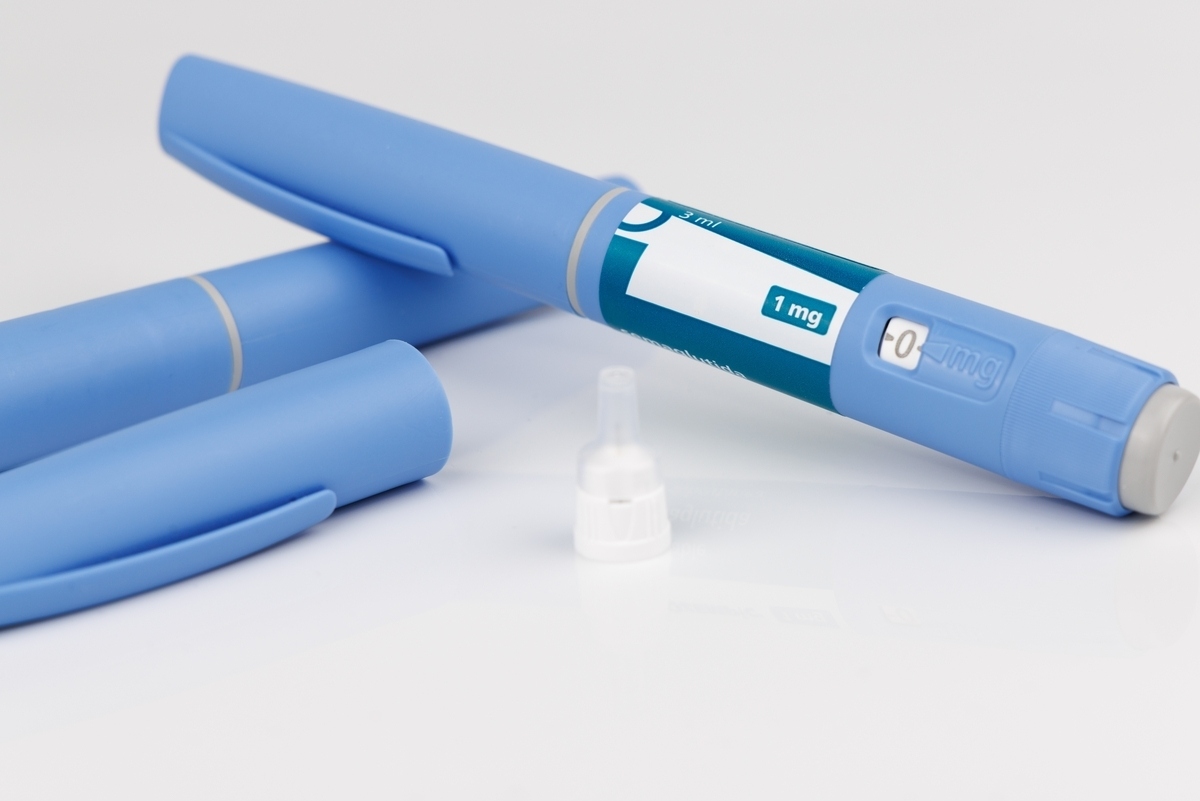
How are semaglutide and tirzepatide different, and does the difference actually matter for how much weight you lose? If you have been researching medical weight loss options, these two medications are likely the most frequently discussed, and for good reason.
Both semaglutide and tirzepatide belong to the incretin therapy class and both produce meaningful weight loss results. But they work through different hormonal mechanisms and produce different average outcomes in clinical trials. One may fit your clinical profile better than the other.
This guide explains how semaglutide and tirzepatide differ mechanistically, what the clinical evidence shows about each, and what factors guide the decision between them.
For most of the past decade, semaglutide was the most effective pharmacological weight loss option available. The approval of tirzepatide changed that calculus. For the first time, patients and providers had two genuinely differentiated options to compare. The clinical evidence confirms the differences are meaningful.
Understanding these two medications as distinct clinical tools rather than interchangeable alternatives helps you have a more informed conversation with your provider. The right medication is not simply the one that produces greater average weight loss in clinical trials. It is the one that fits your metabolic profile, tolerance, goals, and circumstances.
For patients who want to understand the broader context of how GLP-1 based therapy supports weight loss before diving into the comparison, the What Is GLP-1 and How Does It Support Weight Loss blog covers the foundational mechanism in detail.
The most clinically significant difference between semaglutide and tirzepatide is how they interact with the body’s hormonal systems. This mechanistic difference is what drives the variation in their outcomes.
Semaglutide is a GLP-1 receptor agonist. It mimics glucagon-like peptide-1, a hormone naturally released by the gut after eating. GLP-1 slows gastric emptying, reduces appetite, stimulates insulin release in response to blood glucose, and suppresses glucagon production. By activating GLP-1 receptors, semaglutide amplifies these naturally occurring processes.
Tirzepatide is a dual GIP and GLP-1 receptor agonist. It activates both the GLP-1 receptor and the glucose-dependent insulinotropic polypeptide receptor simultaneously. GIP is a second incretin hormone that also stimulates insulin release and has additional effects on fat metabolism, appetite regulation, and energy expenditure. By activating both receptors, tirzepatide engages two metabolic pathways instead of one.
According to the Cleveland Clinic, while semaglutide only mimics GLP-1 hormones, tirzepatide also mimics GIP hormones. Like GLP-1 hormones, GIP hormones are triggered when you eat and increase insulin production. This gives tirzepatide a dual mechanism that semaglutide does not have.
This dual mechanism is the pharmacological rationale for why tirzepatide consistently produces greater average weight loss than semaglutide in head-to-head clinical comparisons.
The head-to-head clinical evidence is now substantial enough to draw meaningful conclusions. The pattern across studies is consistent: tirzepatide produces greater average weight loss, and the magnitude of the difference is clinically significant.
According to research published by the National Institutes of Health, tirzepatide caused significantly greater reduction in weight than semaglutide with a pooled mean difference of 5.19 kg. Tirzepatide also increased the likelihood of achieving 10 percent or greater weight loss. The two medications had an otherwise similar adverse event profile, with the exception that more serious adverse events were observed with tirzepatide.
Key findings from the clinical comparison data include:
It is important to note that these are averages across large populations. Individual responses to both medications vary considerably.
Some patients achieve exceptional results on semaglutide. Others experience limited response to tirzepatide. Clinical trial outcomes describe the population, not the individual.
Both medications are administered as once-weekly subcutaneous injections in their primary weight loss formulations. Both are started at a low dose and titrated upward over several months to the target maintenance dose. This gradual titration is used to minimize gastrointestinal side effects during the adjustment period.
Semaglutide brand names and approvals:
Tirzepatide brand names and approvals:
According to Mayo Clinic Proceedings, incretin-based medications including semaglutide and tirzepatide result in average weight loss of 15 to 20 percent of body weight. They have skyrocketed in popularity following their respective FDA approvals for obesity treatment.
The side effect profiles of both medications are broadly similar. Both produce gastrointestinal side effects as their most common adverse effects, particularly during dose titration. These effects are driven by their shared GLP-1 mechanism of slowing gastric emptying.
Common side effects of both medications include:
Less common but clinically important considerations for both medications include:
For patients whose primary concern involves abdominal fat accumulation alongside metabolic dysfunction, the Belly Fat and Weight Gain conditions page provides context on the physiological drivers that both medications address through their metabolic mechanisms.
Neither medication is the universally superior choice for every patient. The right medication depends on a combination of clinical, practical, and individual factors.
Tirzepatide may be better suited for patients who:
Semaglutide may be better suited for patients who:
For patients who want to understand how these medications fit within a broader weight loss program, the Weight Loss and Peptides service page outlines how GLP-1 therapy and peptide-based treatment are approached as part of a comprehensive functional medicine weight loss plan.
Both semaglutide and tirzepatide are prescription medications that require clinical evaluation before starting, dose titration based on individual response, and ongoing monitoring throughout treatment. Neither is appropriate for unsupervised or self-directed use.
Starting either medication without proper evaluation increases the risk of inappropriate use, missed contraindications, and inadequate side effect management. A supervised program produces meaningfully better outcomes than a prescription alone.
A properly supervised program for either medication typically includes:
The degree of clinical support provided alongside the prescription determines much of the real-world effectiveness of both treatments. In settings where medication is prescribed without ongoing supervision, real-world outcomes fall significantly short of clinical trial results.
On average, tirzepatide produces greater weight loss than semaglutide, but individual responses vary considerably. Some patients achieve excellent results on semaglutide without needing tirzepatide's additional mechanism. The most effective option for a given patient is determined through clinical evaluation and treatment response monitoring.
Yes. Switching is a clinically established approach for patients who have not achieved adequate response on semaglutide, and real-world data consistently shows additional weight loss after the switch. The transition should be managed by a provider to ensure appropriate dosing and monitoring continuity.
Insurance coverage varies significantly depending on the payer, the specific brand, and whether the prescription is for diabetes or weight management. Coverage for weight management indications has expanded but remains inconsistent. Compounded versions of both medications are available at lower cost but carry regulatory considerations that should be discussed with a provider.
Clinically meaningful weight loss typically begins within the first four to eight weeks of treatment and continues to accumulate over twelve to eighteen months as doses are titrated upward. Most clinical trials measuring peak outcomes ran for sixty-eight to seventy-two weeks. Long-term use is typically required to maintain results, as weight regain is common when either medication is discontinued.
Dietary adjustments are clinically important for both effectiveness and tolerability. Both medications slow gastric emptying, which means eating large meals or high-fat foods can worsen nausea significantly. A diet built around adequate protein, moderate portions, and reduced processed carbohydrate intake works synergistically with the appetite and blood sugar effects of both medications.
Clinical evidence consistently shows that discontinuing either medication results in weight regain over time, which reflects that the underlying metabolic drivers of weight gain are still present without pharmacological support. This is not a treatment failure but a physiological reality that requires a planned maintenance strategy. A maintenance approach should be discussed with a provider before stopping either medication.
This comparison is one worth understanding before your first appointment. Tirzepatide’s dual mechanism produces greater average weight loss in clinical evidence. Semaglutide has a longer track record and more established cardiovascular data. Neither is universally superior for every patient.
The most useful thing you can do with this comparison is bring it into a clinical conversation. A provider who understands your metabolic profile, health history, goals, and lifestyle is in a far better position to recommend the right starting point than any general comparison can provide.
For patients in Southern California who want to understand how GLP-1 based weight loss therapy is evaluated and managed within a comprehensive functional medicine approach, the Weight Loss in Laguna Hills, CA page outlines what a root-cause metabolic evaluation and medically supervised weight loss program involves.
The comparison between semaglutide and tirzepatide is one worth understanding. But the most important decision is not which medication has better average outcomes in a clinical trial. It is whether you have the clinical support to use whichever medication you choose effectively and safely.
The information provided in this article is intended for educational purposes only and does not constitute medical advice. Semaglutide and tirzepatide are prescription medications requiring evaluation, diagnosis, and clinical supervision by a licensed healthcare provider. Do not start, stop, or adjust any medication or health protocol without consulting your provider directly.
Ahmad A, et al. Comparative efficacy and safety of tirzepatide versus semaglutide: a systematic review and meta-analysis with cardiometabolic implications. PMC, National Institutes of Health. 2025. https://pmc.ncbi.nlm.nih.gov/articles/PMC13215652/
Cleveland Clinic Medical Staff. Tirzepatide vs. semaglutide: What you should know. Cleveland Clinic. 2026. https://health.clevelandclinic.org/tirzepatide-vs-semaglutide
Phelan SM, et al. Decoding obesity management medications and the journey to informed treatment choices for patients. Mayo Clinic Proceedings. 2024. https://www.mayoclinicproceedings.org/article/S0025-6196(24)00486-5/fulltext